Hidden Costs in Steel Building Projects & How to Avoid Them
Introduction
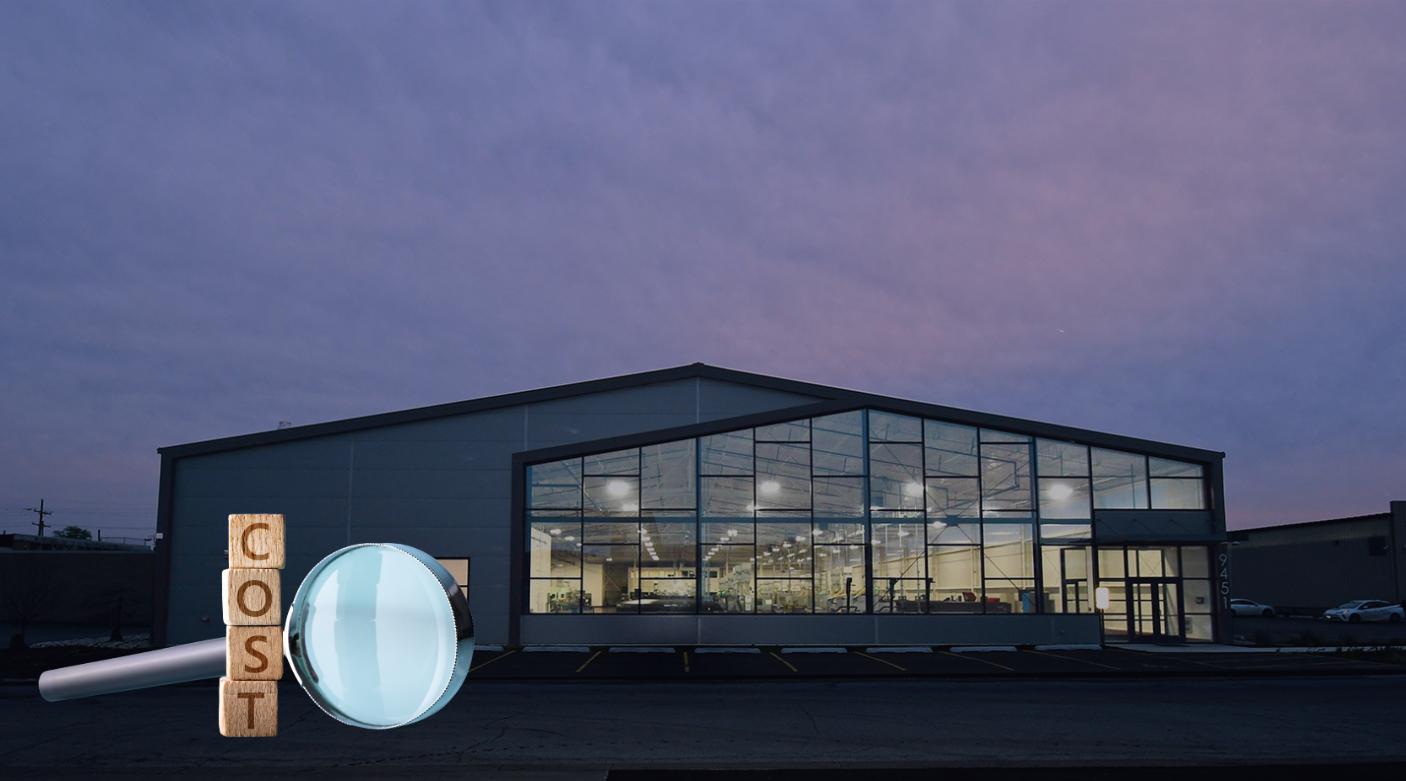
When you’re gearing up for a steel building project, it’s easy to focus on big numbers—fast timelines, durability, and low cost per square foot. While steel structures do offer real cost benefits, many builders overlook hidden expenses that can appear later. These may include site preparation, soil issues, design revisions, material fluctuations, or installation needs that weren’t factored in early.
That’s where EcoSteel makes a difference. As a design-build partner, we help clients plan smarter from the beginning with transparent budgeting and expert pre-construction guidance. Overlooking hidden costs can derail budgets and delay timelines. In this article, we’ll explore five of the most common hidden costs in steel building projects—and how EcoSteel helps you avoid them.

Foundation and Site Preparation Expenses

Foundation Planning Prevents Surprises
One of the most overlooked expenses in steel building projects is foundation and site preparation. Before any steel goes up, the site must cleared, leveled, and possibly excavated. Soil testing may required, and if the soil is unstable, you may need compaction or imported fill—both of which add unexpected costs.
Steel buildings also require precisely engineered foundations tailored to loads, layout, and soil conditions. The rarely included in basic building kits. At EcoSteel, we collaborate with local civil engineers early in the process to anticipate these needs and reduce costly surprises.

Customization and Design Changes

Plan Early, Avoid Extra Costs
Most initial building quotes reflect only a basic shell. As soon as you begin adding real-world needs—windows, additional doors, insulation upgrades, or architectural features—the price increases quickly. Many project owners assume these features are standard and are surprised when they appear as add-ons.
EcoSteel avoids this problem through early-stage design planning. By defining goals upfront and integrating all upgrades into the scope before engineering starts, we help you avoid re-engineering fees, delays, and costly change orders. With clear planning, customization becomes manageable and budget-friendly.
Material Price Fluctuations
Steel is a commodity, which means prices can fluctuate depending on market conditions. You may receive a quote early in your planning stage, but by the time you’re ready to purchase, prices may have increased due to supply chain issues, tariffs, or global demand.
To avoid this, many suppliers offer price locks or deposit-based holds. Working with a partner who tracks steel market trends can help you plan your purchase strategically and protect your budget from unexpected spikes.
Labor and Installation Oversights

Many assume that once the steel kit arrives, the hardest work is done. In reality, installation is one of the most underestimated costs. Erecting a steel building requires experienced crews, crane operation, exact bolt placement, and proper sequencing to avoid errors or structural issues.
EcoSteel helps reduce these risks by connecting clients with qualified installers familiar with our systems. We also provide detailed construction drawings and ongoing support to ensure smooth, safe assembly. With the right team, installation becomes predictable and cost-efficient.
LEARN MORE – ADDITIONAL RESOURCES
Read more on: How to Maximize Value and Avoid Hidden Costs with Prefabricated Metal Buildings
Conclusion
Steel buildings offer impressive speed and strength, but hidden costs can catch builders by surprise if not addressed early. Site prep, design clarity, installation, and energy performance all play major roles in overall project success.
EcoSteel’s design-build approach eliminates these uncertainties. Through early planning, custom engineering, vetted installers, and energy-efficient systems, we help you avoid surprise expenses and keep your project on budget from start to finish.


WHY ECOSTEEL?
EcoSteel building systems come in a variety of shapes and sizes, but at their core they all utilize a custom engineered structural steel frame and a high-performance insulated shell. From sub-zero temperatures to dry heat or high humidity, Mother Nature continually tests the limits of building envelopes. While our insulated wall panels are a popular option, sometimes they are substituted or combined with masonry, stone, pre-cast or tilt-up concrete, wood, glass or other architectural wall treatments. The versatility and flexibility of our building systems allows for a myriad of colors, shapes, textures and designs. Today’s building projects require the perfect combination of energy efficiency, creative versatility, and reduced construction cost.





Contact Ecosteel for Your Project
Ecosteel is the top choice nationwide for custom prefabricated steel design projects. With award-winning projects, forward-thinking designs, leading technologies, and a large network of factories, contact our team to learn more about how we can bring your next project to life.